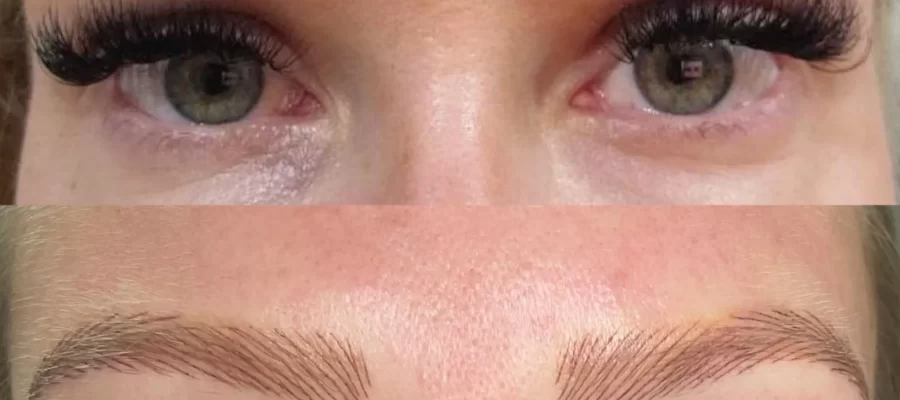
If you’ve ever found yourself wondering “How long does it take to become good at brows?” – well, you’re not alone in that. It’s a question that new artists ask us all the time when they come sit down in our studio. My name is Uliana Kasperska, and I’m part of the Face Figurati Brisbane team – and between us, we’ve got over 15 years of experience in cosmetic tattooing under our belts. Over the years, we’ve seen just about every kind of brow journey – from those first tentative strokes to confident, consistent artistry that really brings a person to life.
Most people are looking for a magic number, you know? “Six weeks? Three months? A whole year?” But the truth is that it really does vary – but if you’ve got the basics, get involved with some professional training and put in the practice, you’ll be amazed at just how quickly you can develop reliable brow skills. Loads of our students start off with eyebrow tattoo training, and some even like to pair it up with eyeliner tattooing course modules so they can get a better feel for facial symmetry and mapping.
Contents
- 1 Realistic Timeline
- 2 The First Three Months: Foundations, Frustrations, And First Wins
- 3 Month Four To Six: Your Brow “Muscle Memory” Kicks In
- 4 Month Six To Twelve: Consistency, Confidence, And Your “Artist Identity”
- 5 Typical Milestones In Your First 12 Weeks
- 6 Why Some Artists Improve Faster (And Others Don’t)
- 7 The Brisbane Factor: Why Location Affects Your Progress
- 8 How To Get Better Faster (Without Burning Out)
- 9 Final Thoughts – You Can Definitely Get The Hang Of Brows
- 10 FAQ
Realistic Timeline
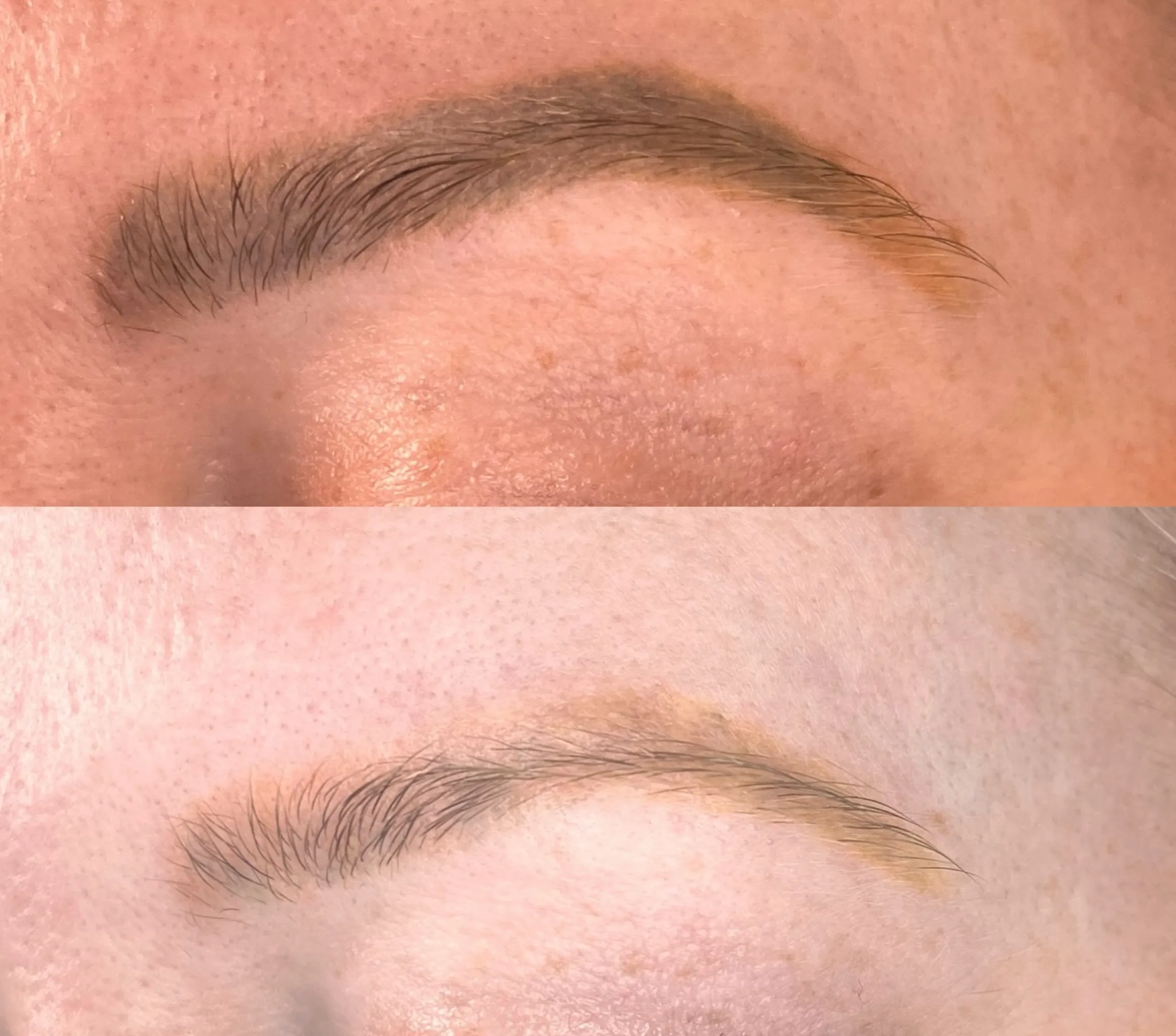
You’ll probably need 6–12 months before your work starts feeling consistently good on real clients, across different skin types, brow hairs and brow shapes. Of course, you’ll start seeing improvements a lot sooner than that – but the important bit is consistency. Those who’ve come from eyebrow tattoo courses usually pick up the pace pretty quickly because they’ve already got the basics of structure, mapping and how hair follicles affect brow flow.
Think of it like learning to drive – you can take a few lessons and technically know the road rules, but it’s a whole different story when you’re actually behind the wheel. And in Brisbane, where the humidity and sunshine can do funny things to the pigment in a semi-permanent tattoo, it’s even more challenging. You need a lot of practice and a lot of patience.
The First Three Months: Foundations, Frustrations, And First Wins
These early weeks can feel like the steepest learning curve – and that’s completely normal. Every single new brow artist we’ve trained has gone through that “Am I actually getting any better?” phase. A lot of them are juggling other courses – like an eyeliner tattoo course – as they build up their foundational skills across the whole face.
In the first 3 months, you should be focusing on:
- Brow mapping accuracy
- Mastering flow and pressure on your strokes
- Pigment theory
- How skin and hair behave
- Depth control using either a digital machine or manual tool
- Aftercare instructions and safe working habits
Some of our students who’ve done eyeliner tattoo courses tell us that the precision they’ve learned on eyelids has helped their brow work get steadier – it’s a real crossover skill, and one that can be really useful.
Month Four To Six: Your Brow “Muscle Memory” Kicks In
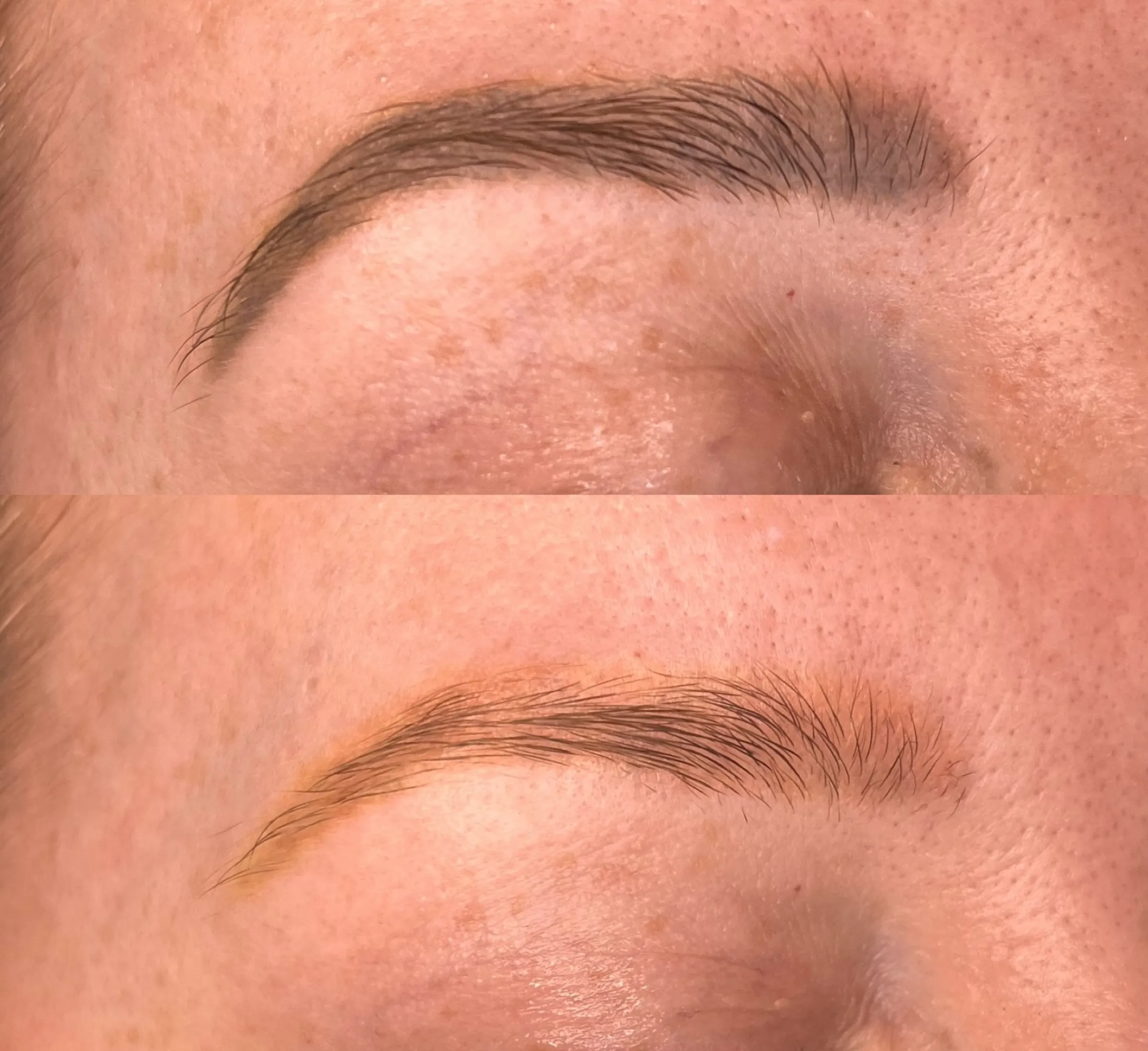
By month four, most artists will notice they’re not fighting against their own hands so much anymore. You know that feeling like you’re in a rhythm when you run? Well, brows have that too. At this stage, you’ll:
- See your pressure becoming steadier
- Get more confidence in sparse or over-tweezed areas
- Develop a clearer sense of the final healed result
- Learn how to use shading and strokes effectively
Some of our trainees have told us that the precision they learned in an eyeliner tattooing course has helped them keep their mapping clean and their wrist control steady – especially when working on clients with fine or delicate brow hairs.
Month Six To Twelve: Consistency, Confidence, And Your “Artist Identity”
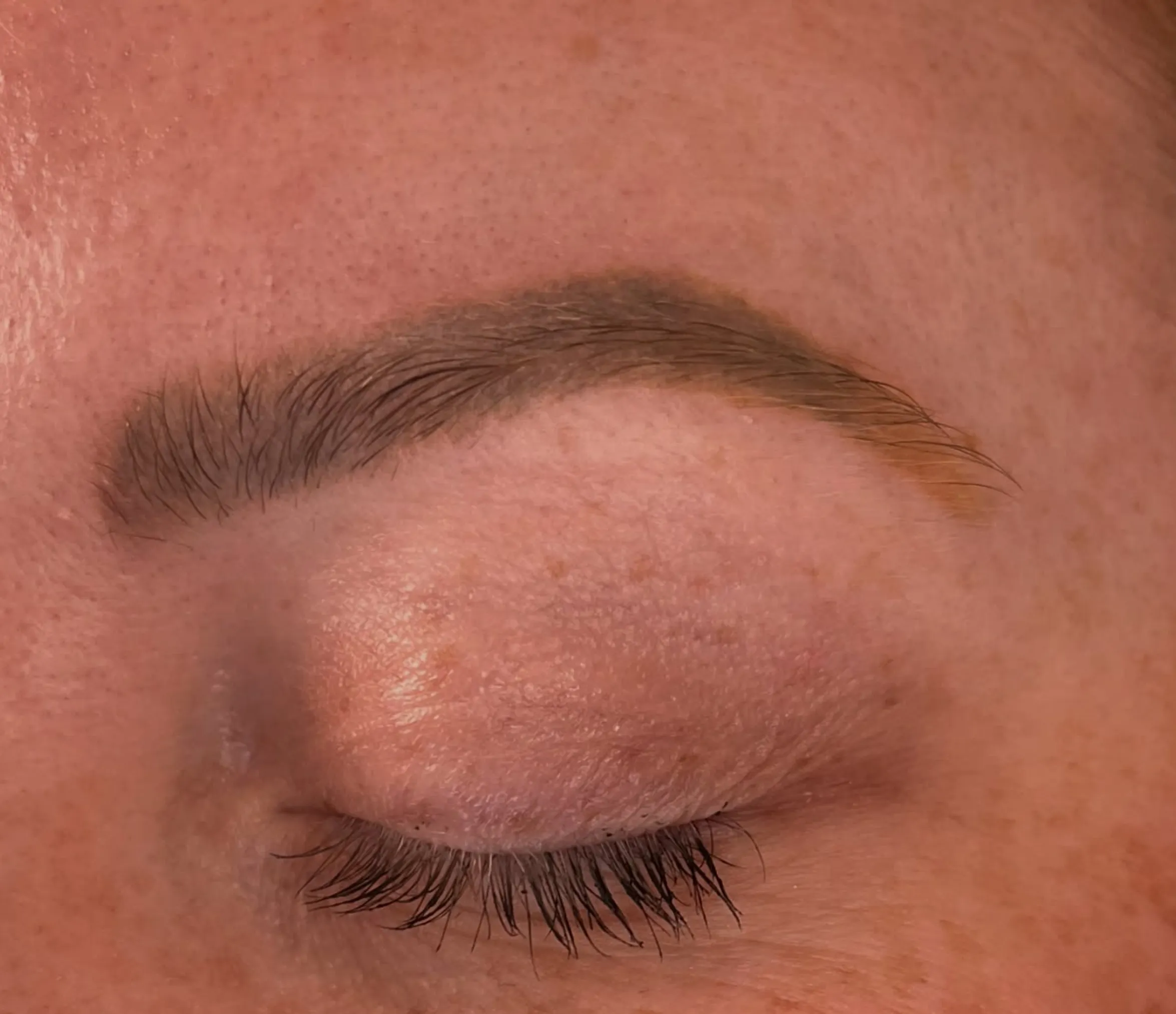
At this point, you’re crossing the threshold from hoping to get it right to knowing exactly what you’re going to get – and that predictability is the ultimate sign of making serious progress.
By now, you’ll have mastered:
- Confident brow work with natural shaping and refinement
- Handling sparse areas, hair loss, and scarring
- Knowing when to recommend lamination, tint or styling products instead of tattooing
- Understanding how a cosmetic tattoo heals
- Giving realistic advice based on different skin types
Quite a few of our students have found that brows are the perfect place to start before moving on to eyeliner tattoo courses – because brow work builds an intuitive sense of balance and facial harmony.
Typical Milestones In Your First 12 Weeks
| Skill Area | Average Time To Get Comfortable | What “Good” Looks Like |
|---|---|---|
| Brow Mapping | 2–6 weeks | Symmetrical outlines adjusted to the natural brow |
| Stroke Flow | 4–10 weeks | Consistent spacing that suits natural hair strands |
| Machine Shading | 4–12 weeks | Smooth gradients for sparse brow hairs |
| Pigment Theory | 2–8 weeks | Choosing undertones confidently |
| Depth Control | 6–12+ weeks | Consistent healed retention |
Across trainee statistics from 2021–2025, artists who had already completed some eyebrow tattoo training reached mastery in depth control much faster – largely due to a stronger understanding of the skin’s underlying structure.
Why Some Artists Improve Faster (And Others Don’t)
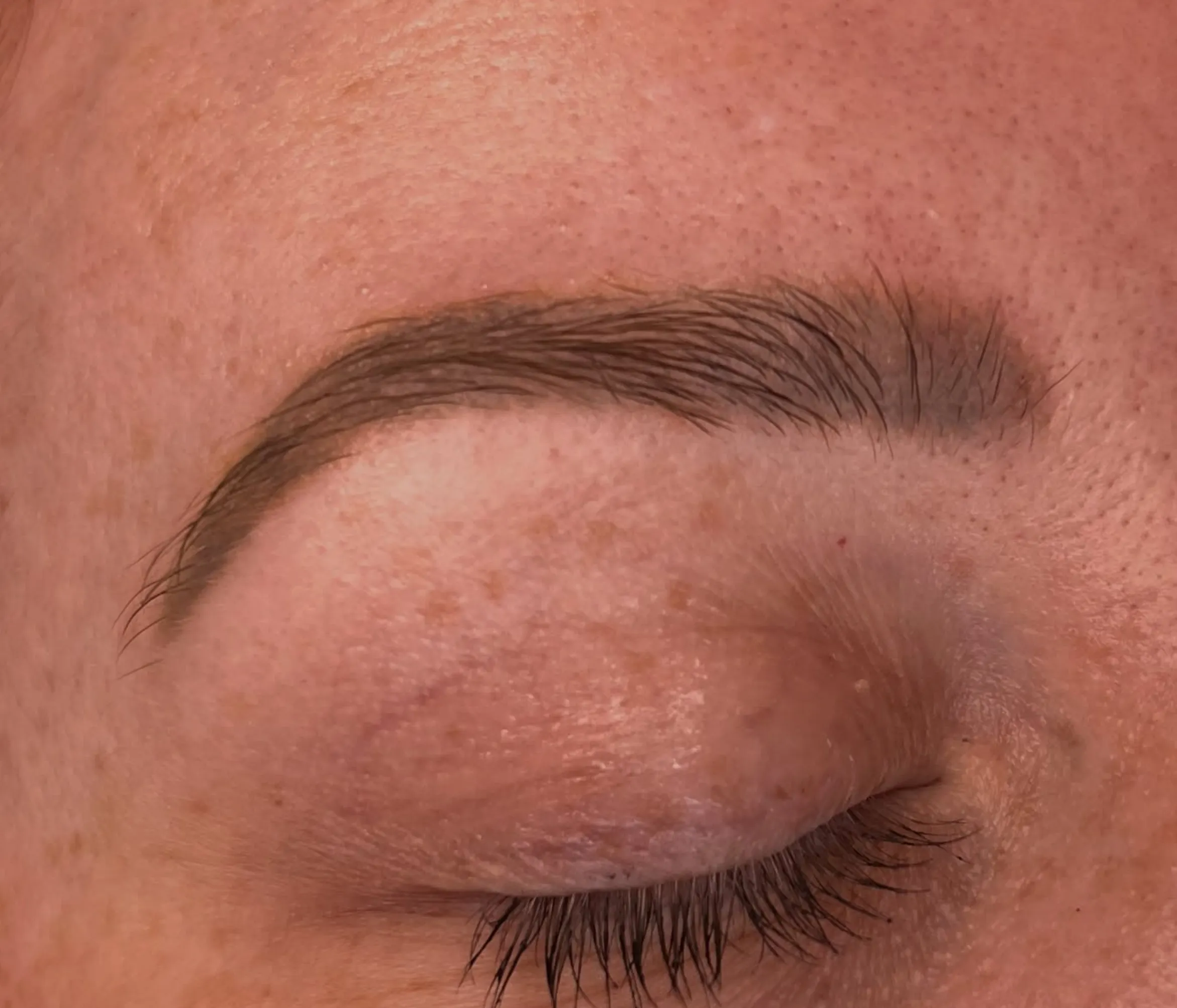
You’re not alone if you’re getting along at your own pace – and that’s perfectly normal. Progress in brow artistry looks different for everyone, and a few key factors usually explain why some artists move faster than others.
1. How Often You Practice
Consistency is what counts. Even a few minutes every day makes a huge difference – and will do wonders for your hand steadiness and overall control.
2. The Quality Of Education You Get
If you start with a solid foundation of eyebrow tattoo training, you’ll have a much stronger base to build on than if you learn from a one-day workshop or a quick flick through random online videos.
3. Cross-Skill Learning
It may not seem directly relevant, but you can really sharpen your fine motor control by taking an eyeliner tattoo course. Eyeliner work demands pinpoint accuracy because you’re working with extremely light pressure.
4. Working On Real People
Having real-life experience with real skin – not just balloons or practice pads – makes a huge difference to how well you understand hair growth, brow shapes, and how pigments behave once healed.
The Brisbane Factor: Why Location Affects Your Progress
Training in Brisbane really puts your skills to the test – especially with all the sun, heat, and humidity. Artists based here quickly learn how to work with different skin conditions and how factors like sweat and sun exposure can impact healed results.
We also see a wide mix of lifestyles here – swimmers, gym lovers, office workers – which gives trainees valuable hands-on experience with different skin behaviours right from the start.
How To Get Better Faster (Without Burning Out)
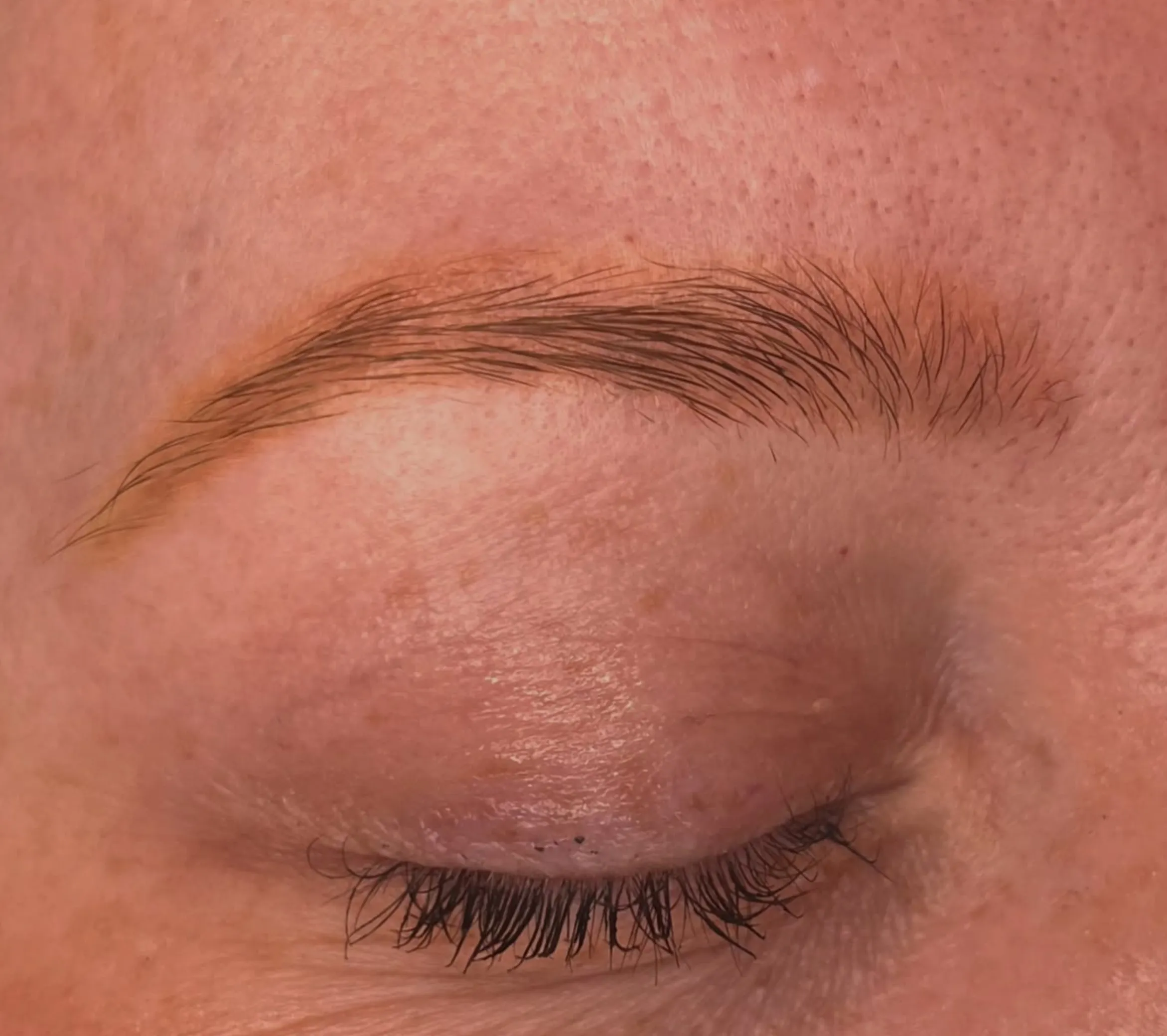
Here’s the lowdown on how to stay on track and improve without exhausting yourself:
- Practice regularly – at least three times a week
- Study natural brow patterns on real faces
- Build the habit of finger drills to improve control
- Review healed results and look for areas to refine
- Consider ongoing training or adding complementary skills if you plan to expand later
And don’t forget – the key to great brows isn’t rushing. It’s about skill development over time.
Final Thoughts – You Can Definitely Get The Hang Of Brows
If you’ve made it this far, you’re already on the right track – you care about proper technique. Learning to create great brows is about patience, practice, and choosing the right training path.
If you ever want to chat about training – whether it’s brows or eventually expanding into eye work – our team at Cosmetic Tattoo Studio Brisbane Face Figurati are always here to help.
FAQ
Can you get good at brows in three months?
You can build a solid foundation, but consistent results usually take 6–12 months. Artists with prior experience tend to progress faster.
Do I need drawing talent?
No. Brow work is more about proportion and symmetry than traditional drawing skills.
Do eyeliner courses help with brow skills?
Yes. Many students report improved precision and control in their brow work after learning eyeliner techniques.
How many models should I work on before charging?
Most artists work on at least three practice models before feeling confident enough to charge.
Should I take brows first or eyeliner first?
Many start with brows and move on later, but the best order depends on your comfort level and long-term career goals.